Why Your Toilet Keeps Running
A toilet keeps running because of one of three faults: an inlet valve that keeps feeding, a flush valve seal leaking into the pan, or a level above the overflow. Each fault leaves a clear sign, and a dye check confirms two of them in minutes.
If we're late, $100 comes off your bill

- Licensed and InsuredEvery job done by a licensed plumber. QBCC No: 15024607
- Fixed Quote FirstFlat-rate pricing, agreed before any work starts
- Lifetime Labour WarrantyBacked by our Fix-It-or-It's-Free guarantee (T&Cs apply)
- $0 Call-Out FeesNo extra charge for nights, weekends or public holidays
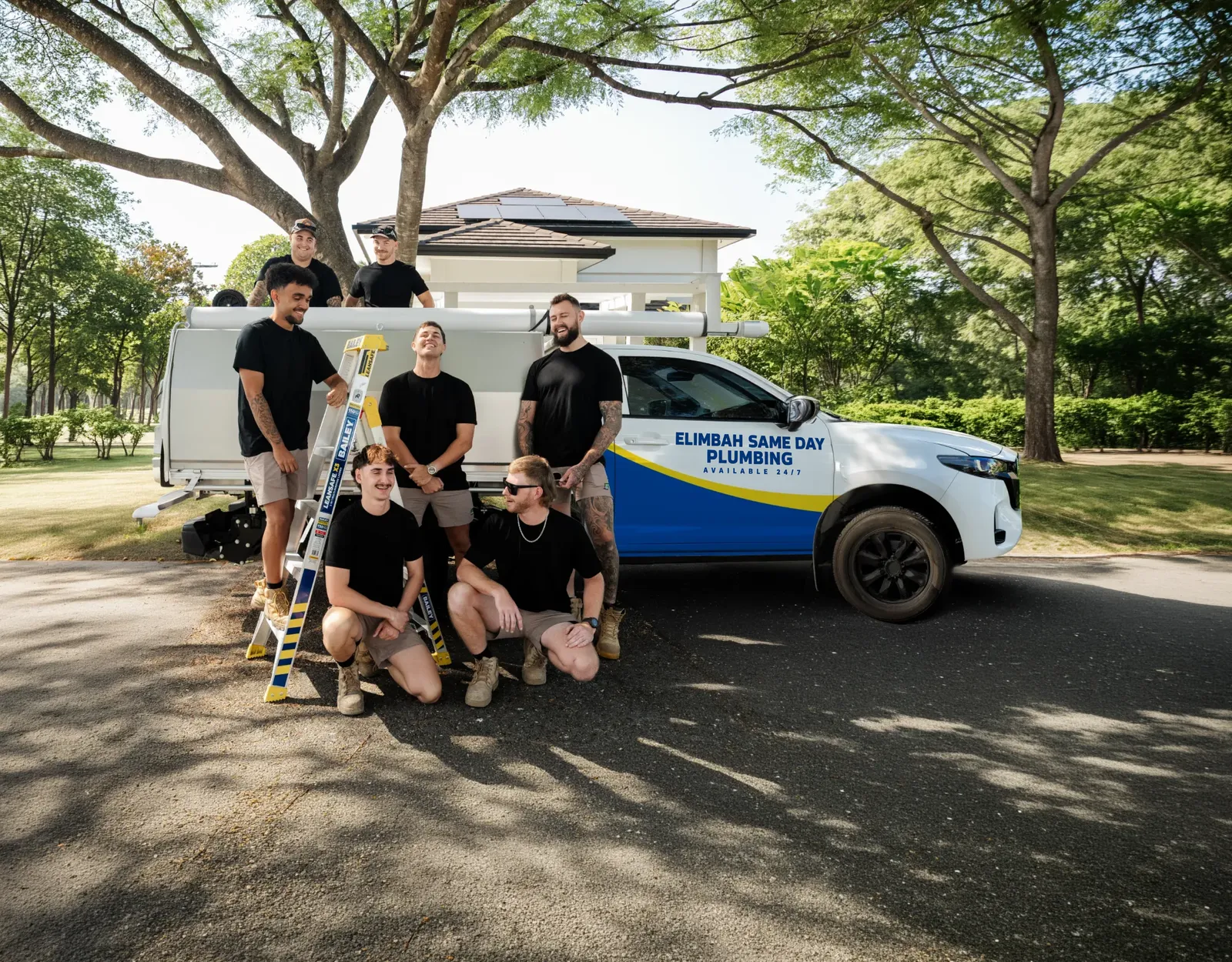
Elimbah's family houses mostly went up between the 1980s and the 2000s, so plenty of cisterns around Elimbah are now second or third generation and showing their age.
Our licensed plumbers handle running cisterns every week, from the estate houses near the railway station to the acreage blocks out along the ridge. Here is what the fault means, how to confirm it, and where the law draws the line on doing it yourself.

Why the Cistern Never Stops Filling
Three faults cover nearly every case: an inlet valve that fails to shut off, a flush valve seal passing water into the pan, and a water level above the overflow.
Each fault shows up differently:
Hissing or a trickle that continues after the refill
points at the inlet valve. The float reaches its level, but the valve keeps feeding water anyway.
The cistern refilling on its own between flushes
, or water creeping down the inside of the bowl, points at the flush valve seal. Water drains silently into the pan, so the inlet valve keeps replacing it.
Water dripping from the outside overflow pipe
means the cistern fills past its set level. Either the inlet valve or the float needs attention.
The overflow itself is simply the safety outlet that sends surplus water into the pan rather than onto your floor. It only runs when something upstream of it has failed.
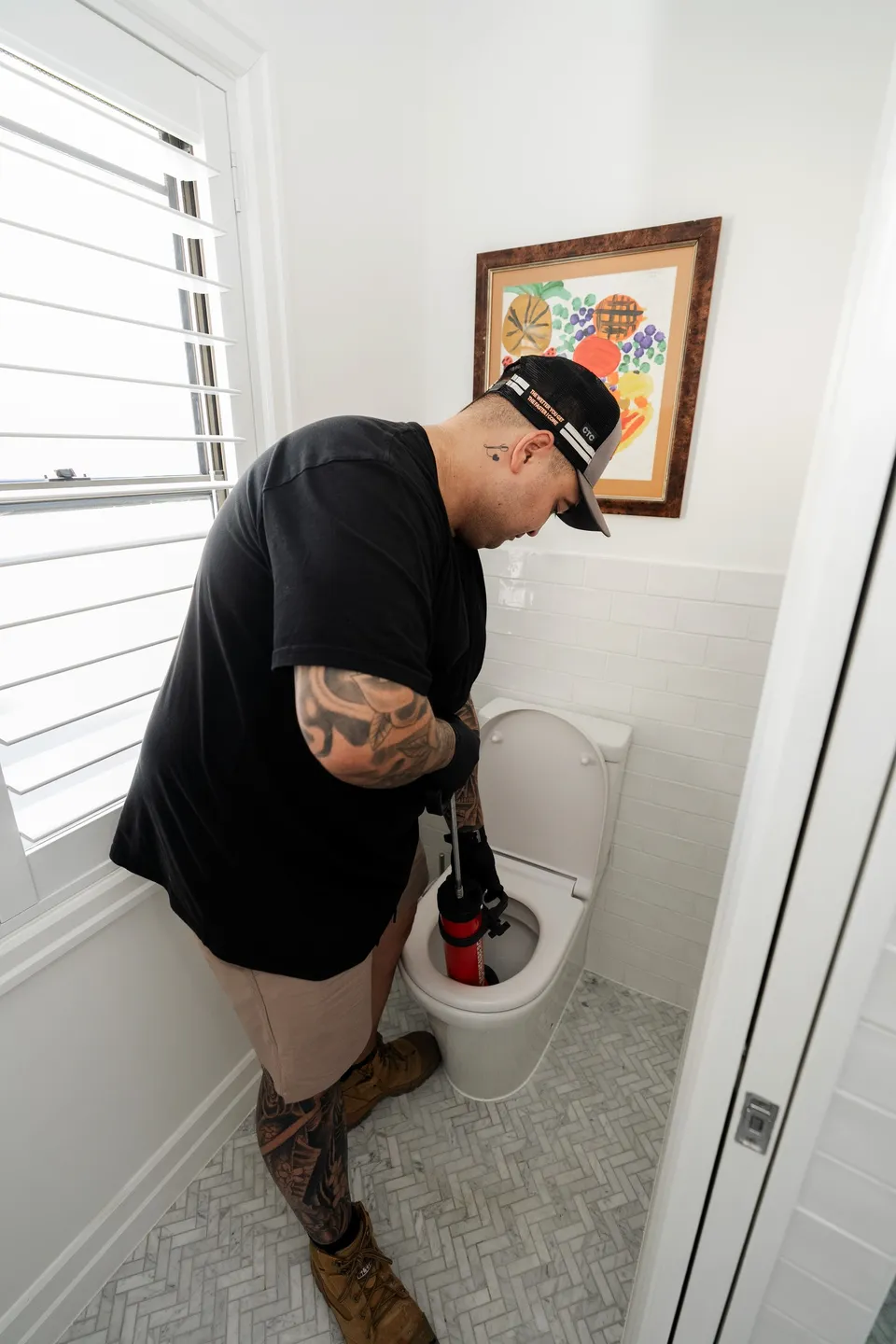
What Colour in the Bowl Tells You
Run this check: add food colouring to the cistern water, leave the toilet unflushed, and wait.
Colour reaching the bowl means water is escaping past the flush valve seal without a single flush. If the bowl stays clear, the flush valve is holding, so the inlet valve and the water level are the next things worth checking.
Two things make the test painless:
- Flush afterwards. The colouring washes away and stains nothing.
- No food colouring in the house? Lay dry toilet paper along the rear inside of the bowl, above the water line. Water trickling down that surface wets the paper and names the fault.

Slow, Partial or No Refill After a Flush
Watch for these signs when the cistern struggles to refill: a weak stream into the cistern, a level that stalls partway, or no water at all with the supply turned on.
The usual culprits are an inlet valve worn or blocked, a float set low, and a stop tap not open all the way. Check the stop tap first, because a tap someone half closed to quiet a noisy fill is a five-minute answer.
There is one twist worth knowing. If water runs freely but the level never rises, the flush valve seal is likely letting water escape as quickly as it enters. The cistern cannot win that race no matter how hard the inlet valve works.
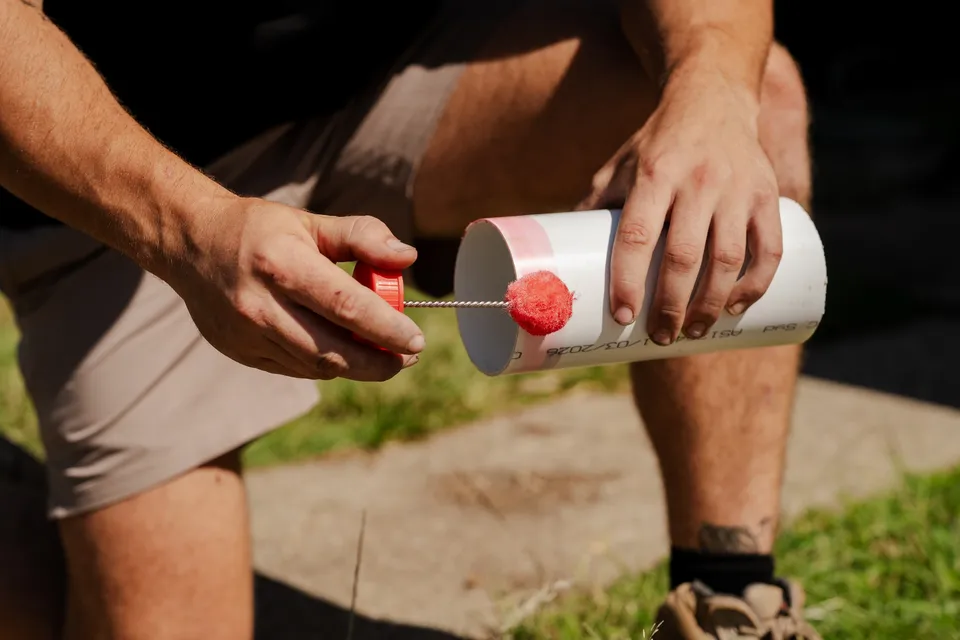
Where Home Owner Toilet Repairs Stop
Queensland law lets a home owner touch only three cistern parts: the drop valve washer, the float valve washer, or a suction cup rubber. The QBCC treats those as unregulated, so a licence is not needed, though the finished work still has to meet the standards.
Everything else inside a toilet belongs to a licensed plumber. Repairs beyond those three parts count as minor work, which a QBCC licensee carries out without a permit or a Form 4.
Rentals add two duties. Queensland tenancy law requires the owner or manager to keep the place in good repair, and the tenant to report faults promptly. A running cistern is not on the emergency repair list for rentals, which names a blocked pan or a broken suite, so the fix counts as routine and happens in a reasonable time.
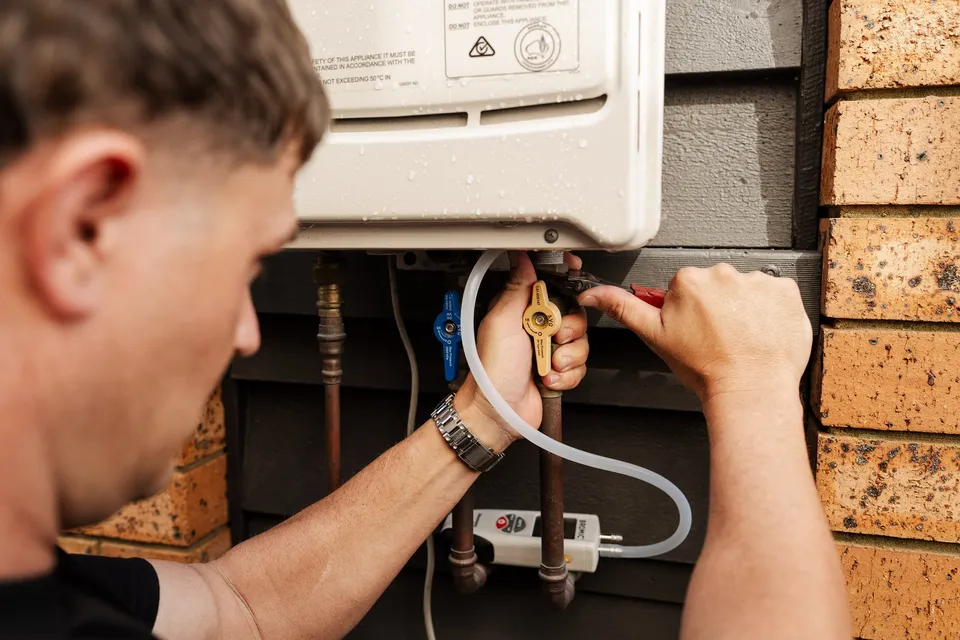
What a Running Cistern Does to Your Water Bill
No, Unitywater's concealed leak adjustment does not cover the water a leaking cistern wastes. The adjustment exists for hidden underground leaks, and cisterns sit firmly on the excluded list alongside leaking taps and hot water systems.
The property owner carries primary responsibility for leaks and the losses they cause. On a metered block, a cistern quietly cycling day and night shows up on the account, and nobody credits it back. That is the plain argument for fixing a running toilet the week you notice it, not the month after.
When to Call a Plumber About a Running Cistern
Call once the dye check or the trickle points at a part you cannot legally touch yourself: the inlet valve, the flush valve assembly, or the internal fill settings. Our toilet repairs in Elimbah page covers the full range of faults we fix, from cisterns that will not fill to suites that leak at the base.
The same call suits renters. Report the fault, note the date, and the owner arranges the repair under the routine timeline.
Toilet Questions From Elimbah Homes
Call (07) 3523 7172Why is my toilet cistern not filling up?
A cistern that will not fill usually points to an inlet valve worn or jammed, a float sitting low, or a stop tap not open all the way. If you hear water running yet the level never rises, the seal under the flush valve is likely letting water escape as quickly as it enters.
Will food colouring stain my toilet bowl?
No, the dye washes away and stains nothing. Unitywater, the water utility for this side of Moreton Bay, recommends this check, and one flush afterwards clears every trace of colour from the bowl.
Can I fix a running toilet myself in Elimbah?
No, not beyond three cistern parts: the drop valve washer, the float valve washer, or a suction cup rubber. The QBCC treats those as unregulated, though the result still has to comply. Every other toilet repair is minor work for a licensed plumber.
What is the overflow in a toilet cistern?
The overflow is the safety outlet that sends surplus water down into the pan rather than onto your floor. When the inlet valve fails to close or the float sits too high, water climbs past the set level and runs out through it.

Ring Us About the Running CisternWe'll call you back.
Ring (07) 3523 7172 and tell us what's wrong. You get $0 call-out fees, a fixed quote before any work starts and same-day where we can, 7 days a week.
To claim your $0 call-out fee, call (07) 3523 7172 today.